

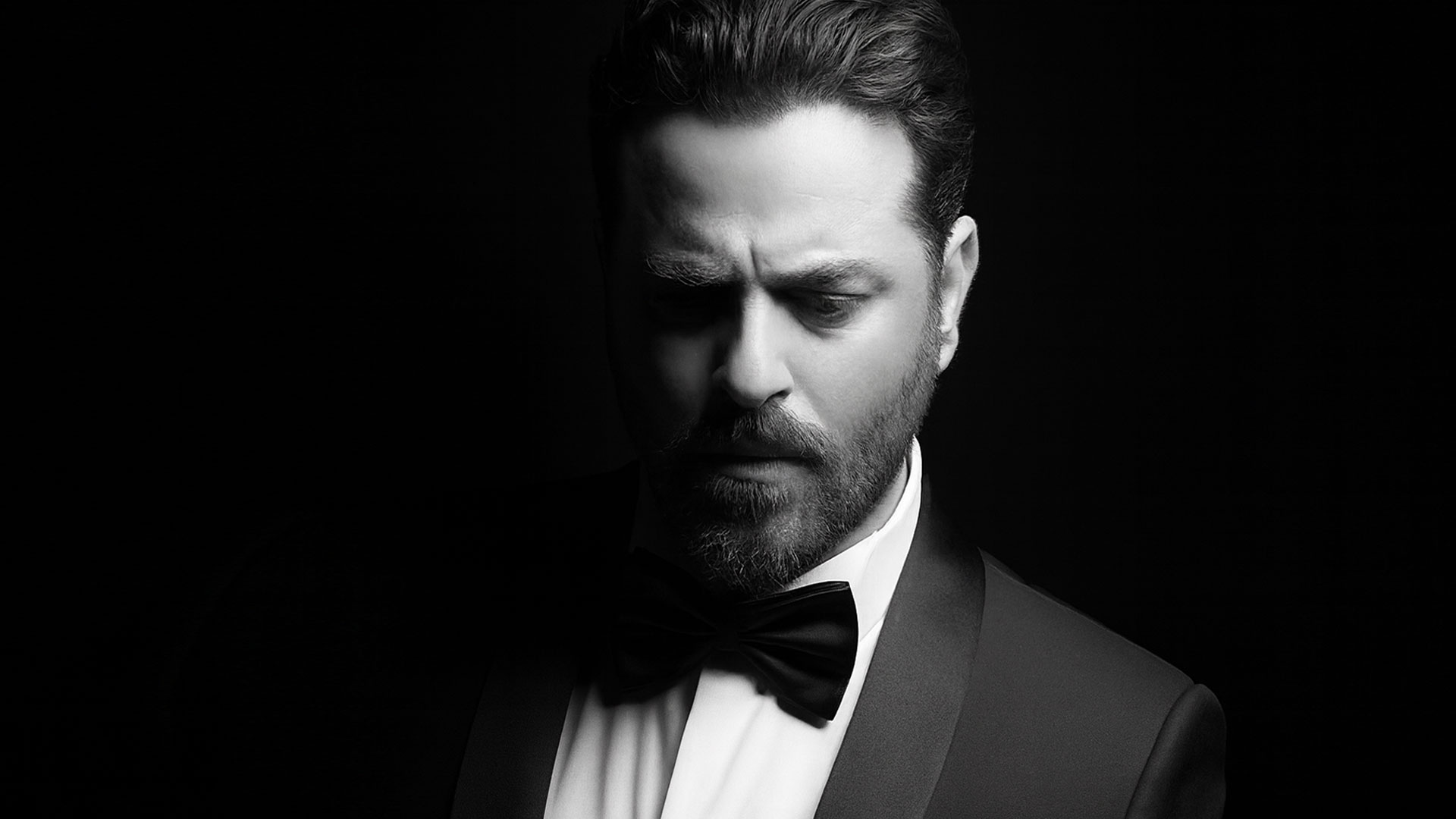
Lebanese actor Youssef El Khal has never been shy about sharing his views on the industry that made him famous. In a recent appearance on the talk show “40” with journalist Jessica Azar, he delivered one of his sharpest assessments yet: Lebanese drama, he said, has declined to the point where it now “resembles news bulletins” and is “devoid of art.”
El Khal contrasted today’s series with earlier phases of Lebanese television, when critics accused dramas of being too far from everyday reality. Back then, he argued, the work was at least trying to build distinct fictional worlds. Now, as screens are flooded with stories ripped almost directly from the headlines, he feels that the artistic distance needed to create layered characters and metaphors has collapsed.
Behind the provocation is a familiar frustration. Lebanese drama has been grappling with shrinking budgets, intense competition from regional platforms and a political environment that often rewards safe, formulaic storytelling. When real-life crisis is already omnipresent on phones and news channels, turning it into drama requires more than copying the day’s events. For El Khal, too many shows are falling into that trap.
He also opened a personal window onto how those tensions play out at home. The actor admitted to repeated artistic disagreements with his sister, actress Ward El Khal, who urges him to take things more lightly and accept that art and stardom rarely provide financial security. By contrast, he still sees artistic integrity and long-term legacy as worth fighting for, even in a volatile market.
In a striking anecdote, El Khal recalled his mother telling him that his “light” had dimmed in recent years, as if dust had settled in front of it. He said he believes that “when it rains” – when circumstances shift – the dust will clear and his light will shine again. The image is revealing: an artist who sees his current phase not as a fall from grace, but as a temporary obscuring of something still intact beneath.
The interview ended on a softer note as he addressed his wife, singer and actress Nicole Saba, with a heartfelt Valentine’s Day message thanking her for standing by him through a difficult nine-year stretch. Saba responded publicly with her own message, describing him as her partner “in joy and sorrow” and promising to remain by his side with their daughter.
For viewers, the conversation functioned on two levels: as a critique of an industry that too often chases topical shock value, and as a portrait of an artist wrestling with his place in that landscape. Whether one agrees with El Khal’s verdict or not, his comments have reignited a conversation that Lebanese drama urgently needs to have with itself: what separates a living art form from a dramatized news feed.
Leave a Reply