

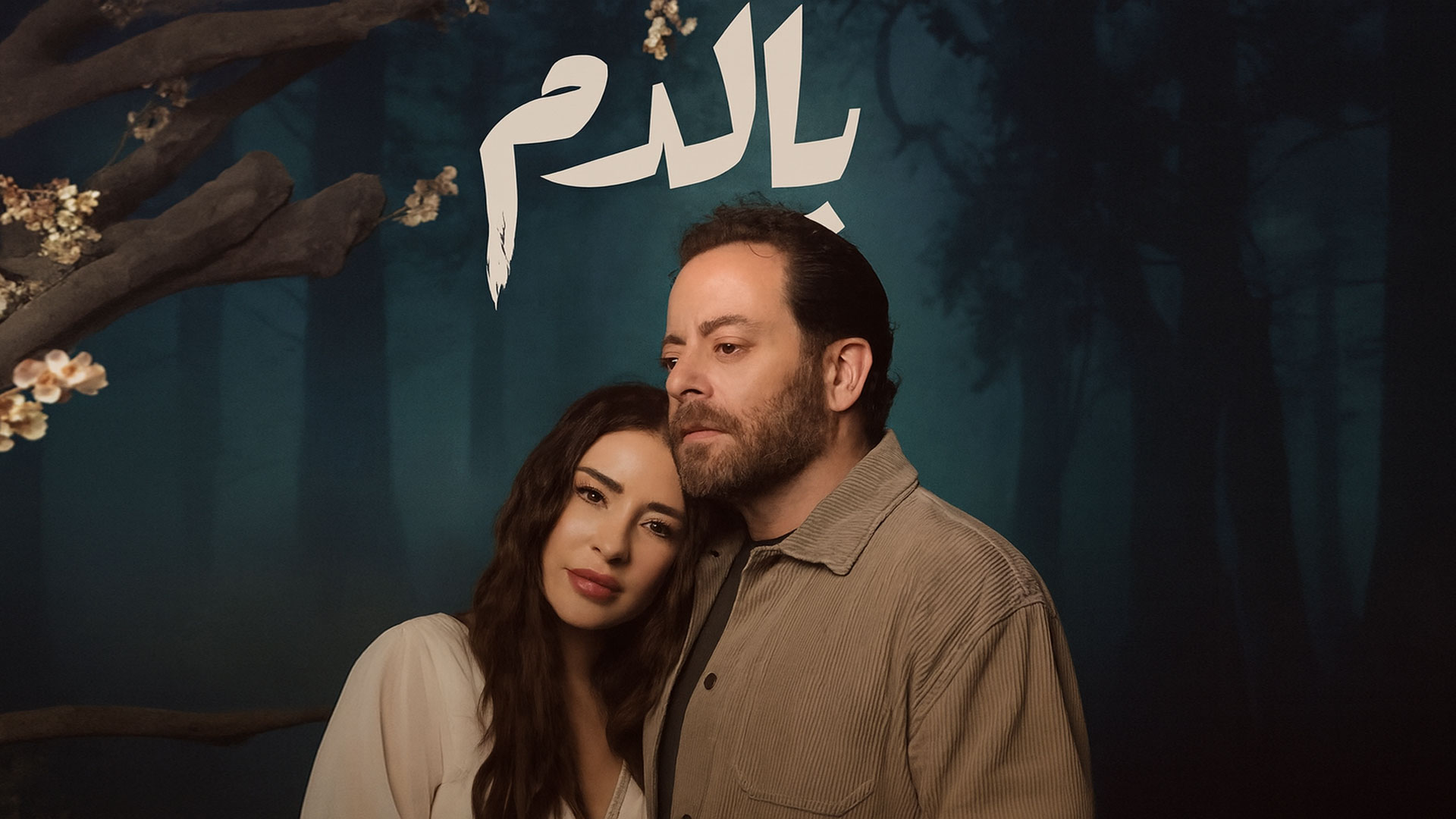
Every Ramadan brings a new wave of Lebanese series competing for attention, but few this year made as much noise as Bil Dam. Only a handful of episodes into its run, the drama found itself accused of turning a real woman’s life into fiction without her consent – sparking a heated debate about ethics, inspiration and ownership in Arab television.
The show, written by Nadine Jaber and produced by Eagle Films, revolves around a dramatic family story that touches on identity, motherhood and the consequences of secrets revealed. Soon after airing, viewers on social media began drawing parallels between the plot and the story of a Lebanese woman who had previously spoken publicly about undergoing a medical procedure at birth that led to a baby being switched in hospital.
Online, the accusations escalated quickly. Critics claimed the series had “stolen” the woman’s experience and repackaged it as entertainment without consultation or credit. Hashtags circulated calling for respect for real-life trauma and for writers to be transparent about the sources of their stories. For a few days, the controversy risked overshadowing the show itself.
Eagle Films responded with an official statement firmly rejecting the allegations. The company said it had communicated with the woman, identified in regional media as Krita Al-Zoghbi, through her lawyer and had shown her the script ahead of release. According to the statement, she confirmed that the series did not reflect the details of her life and that Bil Dam addressed a broader social issue rather than any specific personal story.
In a subsequent clarification carried by Jordan News and other outlets, Al-Zoghbi herself acknowledged that after watching the initial episodes and reviewing the script, she no longer believed the series was based on her experience. She emphasised that Bil Dam was “a dramatic work of art completely unrelated to the details of my life,” and asked that her name not be used to attack the production.
Even with the clarification, the incident has left a mark. It highlighted how quickly reputations can be shaped by early audience perceptions, and how serious allegations of plagiarism or exploitation can spread before all parties have spoken. It also underlined a sensitive line in drama writing: the difference between drawing inspiration from real social issues and reproducing recognisable individual stories without consent.
For the Lebanese TV industry, Bil Dam may become a case study. Beyond the immediate controversy, it raises bigger questions about how writers, producers and broadcasters communicate with the public, and how they can build trust when their work touches on themes that people recognise from their own lives.
Leave a Reply