

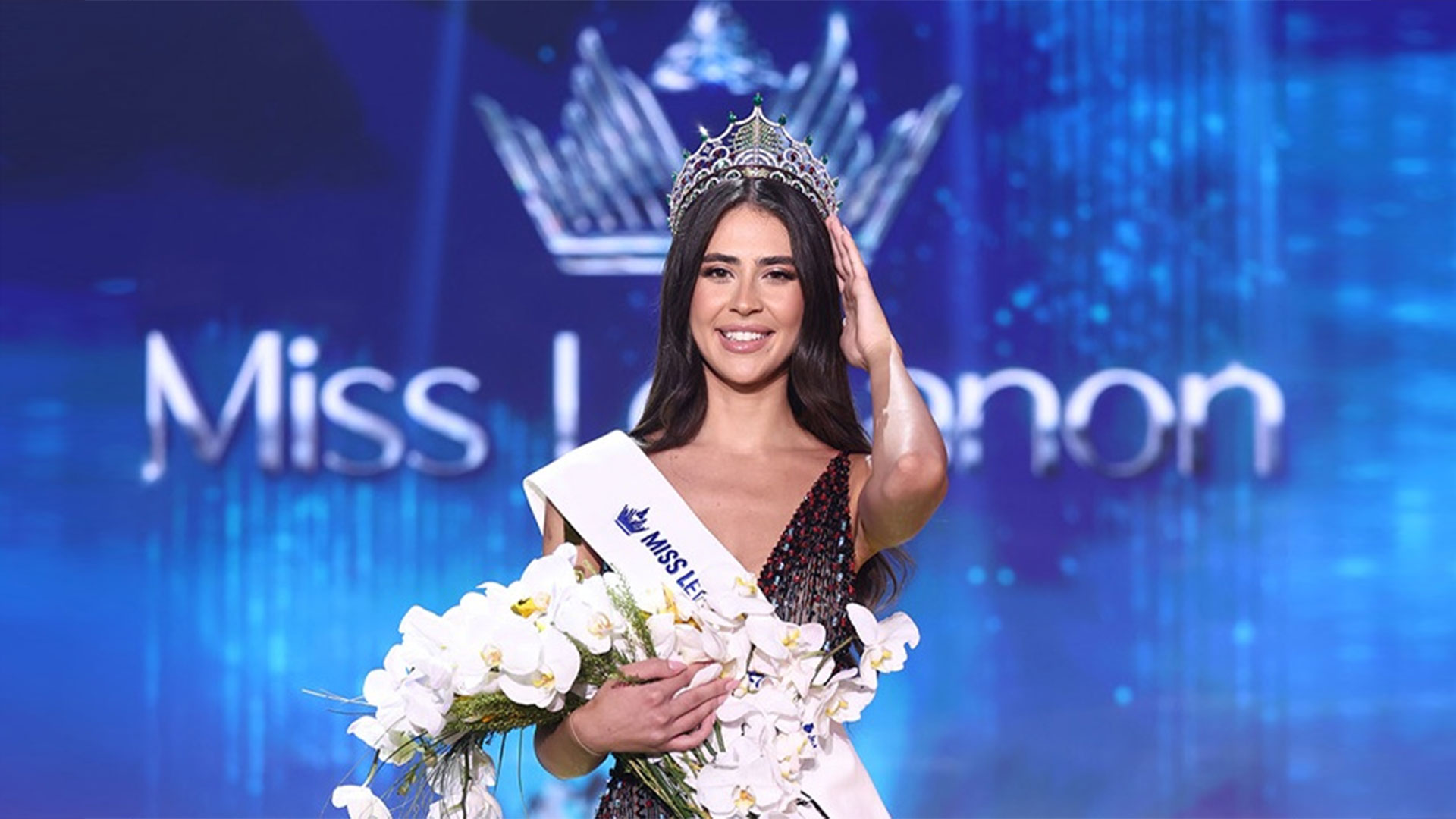
When Perla Harb was crowned Miss Lebanon 2025, the moment was designed to be familiar: a sparkling tiara, television cameras, and judges led in part by reigning Miss World Karolina Bielawska. The pageant, broadcast nationally, reaffirmed Lebanon’s long-running tradition of using beauty contests as both entertainment and soft power.
But almost as soon as the crown settled on Harb’s head, the conversation moved online — and grew sharper. On social media, supporters celebrated a “fresh, modern” face for the country, while critics questioned whether the result truly reflected the diversity of Lebanese women or simply recycled a narrow image of glamour. Comment threads quickly filled with arguments about skin tone, body standards and class, echoing wider regional debates about who gets to represent the nation.
Harb steps into a role with real symbolic weight. The Miss Lebanon titleholder traditionally goes on to represent the country at both Miss Universe and Miss World, functioning as an unofficial cultural ambassador in a year when Lebanon is navigating economic crisis, political deadlock and ongoing emigration. For supporters, her fluency, polished media presence and international-ready styling make her a strong choice for that task.
At the same time, the backlash points to a generation less willing to accept pageant outcomes as unquestioned fact. Younger viewers increasingly expect transparency about judging criteria and a public conversation about what “national beauty” means in a multi-ethnic, socially stratified country. Some ask whether the pageant format itself still fits a society trying to move past old gender scripts.
For now, Harb faces a dual challenge: preparing for the demands of global competition while navigating an unusually intense digital spotlight at home. How she responds — and whether organisers engage openly with criticism — will shape not only her year as Miss Lebanon, but also the future credibility of the pageant itself.
Leave a Reply