


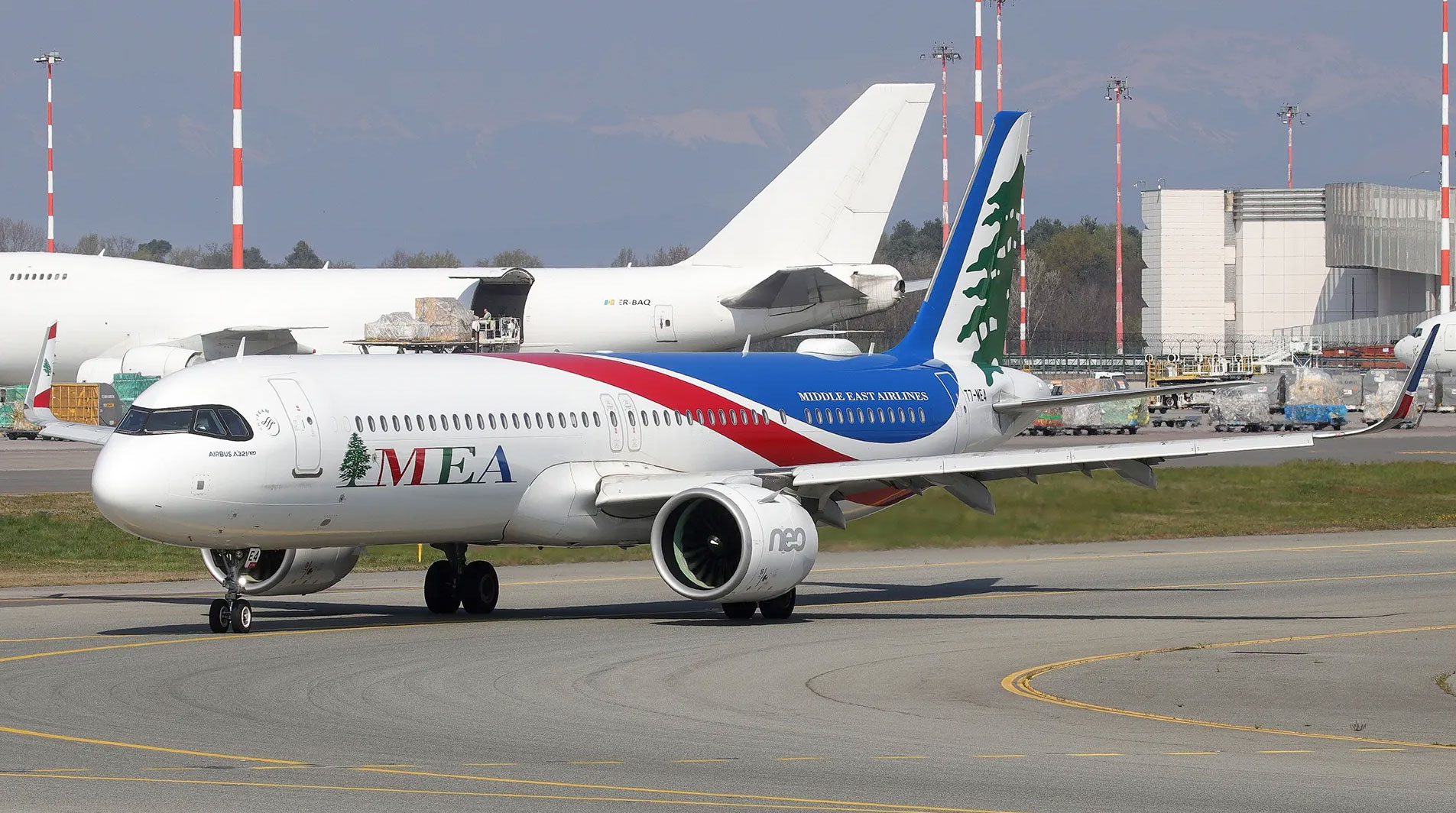
As Middle East Airlines (MEA) marks 80 years in the sky, Lebanon’s flag carrier is celebrating with more than just memories. The airline is preparing to add six new aircraft, launch a low-cost sister brand called “Fly Beirut”, and support major upgrades to Beirut’s airport – all moves that could reshape how Lebanese and visitors travel in and out of the country.
Eight decades of the cedar in the sky
Founded in 1945, MEA has grown into a modern carrier with a fleet of over 20 aircraft serving around 30 destinations from Beirut–Rafic Hariri International Airport. Over the years, it has become a symbol of home for the Lebanese diaspora, keeping routes open even during wars, crises, and economic turmoil.
The 80th-anniversary celebrations are not just about looking back. MEA’s leadership used the occasion to outline how the airline plans to stay competitive and keep Lebanon connected for the next generation of travelers.
Six new planes joining the fleet
As part of its renewal plan, MEA is set to welcome six new Airbus jets over the coming year, including long-range A321XLR aircraft and wide-body A330neo jets. These will help the airline open new routes, improve fuel efficiency, and offer more comfortable cabins on medium and long-haul flights.
The expansion also supports MEA’s strategy to restore Beirut’s historic role as a regional aviation hub, with more capacity to serve Europe, the Middle East, and Africa.
‘Fly Beirut’: Lebanon’s upcoming low-cost carrier
The biggest news for budget-conscious travelers is Fly Beirut, MEA’s planned wholly owned low-cost airline. Scheduled to launch operations around 2027, the new carrier aims to offer fares significantly below MEA’s traditional pricing on selected routes, especially to regional and European destinations.
Fly Beirut is expected to start with a small fleet of Airbus narrow-body aircraft and operate with a classic low-cost model: basic fares, paid extras like baggage and seat selection, and higher seat density – all while keeping MEA’s safety and operational standards.
For Lebanese residents, students, and the large diaspora, this could mean more accessible ticket prices and better options for spontaneous trips and family visits.
Airport upgrades: Beirut and beyond
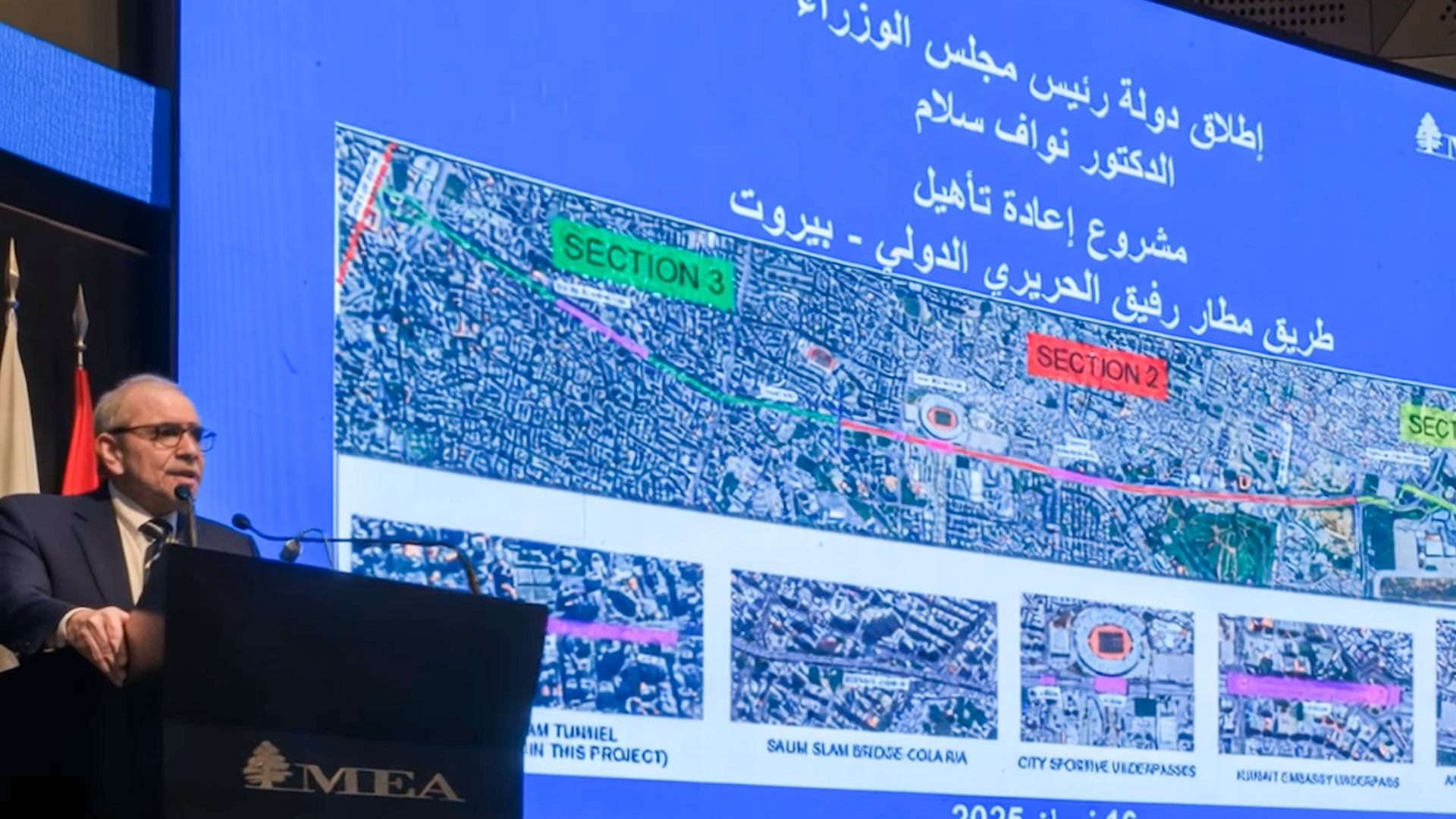
The airline’s anniversary plans are closely tied to major upgrades at Rafic Hariri International Airport. Projects under study include a second terminal with capacity for millions of additional passengers per year, improved security lanes, revamped departure halls, new lounges, and smoother links between the airport and the city.
In parallel, René Mouawad Airport in North Lebanon is being positioned as a future secondary gateway, with plans to host low-cost and cargo operations – a move that could ease pressure on Beirut and bring more economic activity to the north.
What it means for Lebanon
For Lebanon, MEA’s 80th-anniversary roadmap is about more than aviation. New aircraft, Fly Beirut, and upgraded airports together signal:
-
Cheaper options for Lebanese and tourists
-
More routes and better connectivity for business, tourism, and the diaspora
-
Fresh investments in infrastructure at a time when the country needs growth stories
If these projects land as planned, MEA’s next chapter could help make Beirut a livelier, more affordable, and more connected hub once again.
Leave a Reply