

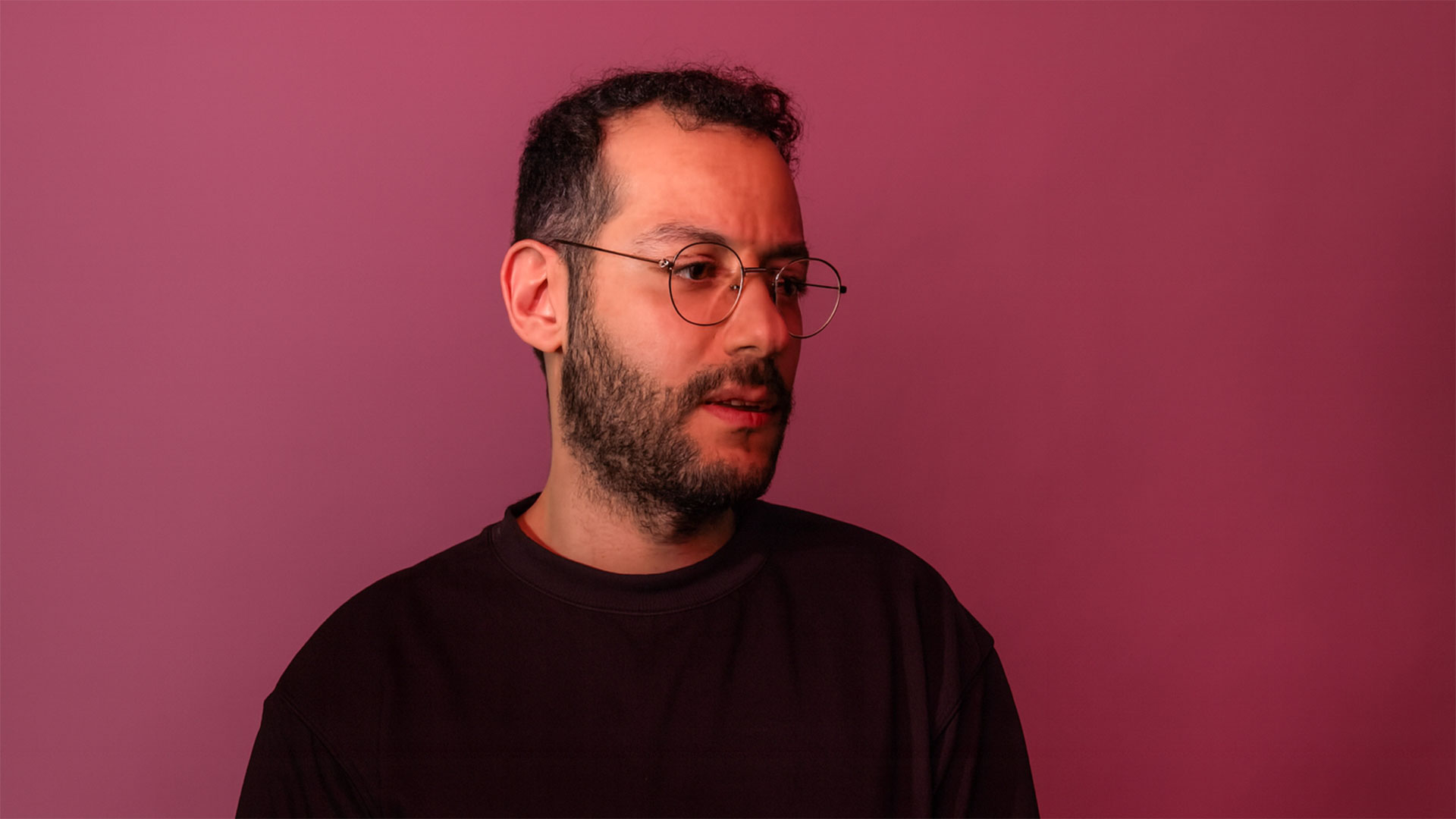
Lebanese musician, composer and director Firas Abou Fakher has added one of television’s top honours to his growing list of achievements, winning a BAFTA TV Award for his score to the BBC documentary The Shamima Begum Story. The film, part of BBC Two’s This World strand, won in the Current Affairs category at the 2024 BAFTA TV Awards in London.
For Abou Fakher, best known to many as a founding member of indie band Mashrou’ Leila and as a co-founder of production company Last Floor Productions, the award marks a major milestone in a career that has steadily shifted toward film and television composition. In interviews, he described the win as an “absolute shock”, noting that he flew into London just in time to attend the ceremony and meet much of the production team in person for the first time.
The Shamima Begum Story, directed by investigative journalist Joshua Baker and produced by Sara Obeidat, follows the controversial journey of a British teenager who left London at 15 to join ISIS in Syria, and later attempted to return to the UK after the collapse of the so-called caliphate. The documentary took about eight years to make and has provoked intense debate over citizenship, security and responsibility.
Scoring such a charged subject, Abou Fakher has said, required restraint. He worried that any overtly emotional music might push viewers toward a particular judgement, rather than allowing them to make up their own minds. His solution was to write a score that deepened the film’s atmosphere and sense of ambiguity without dictating how the audience should feel about its central figure.
The BAFTA win also highlights the wider reach of Lebanese creative talent in global storytelling. Beyond his work on the documentary, Abou Fakher has composed for series such as Al Shak (Doubt) and Fixer, and now serves as a vice president at Universal Music MENA, helping shape the sound of a fast-growing region. His trajectory, from Beirut stages to an international awards podium, reflects a generation of Lebanese artists who move fluently between local stories and international platforms.
For fans of Mashrou’ Leila and for young composers across the Arab world, the message is clear: Arab musicians can not only contribute to, but also lead, complex global projects — and be recognised at the highest levels for doing so.
Leave a Reply