

After years of turbulence, the airline industry is hoping 2026 will finally bring something rare: a stretch of relative ”
“stability. But that does not mean flying will look the same. From the planes airlines are buying to the tickets they are selling, ”
“the experience of air travel is set to shift in ways travelers will notice.
Drawing on forecasts from airline analysts and reporting by outlets such as CNN, here is how your next trip in 2026 is likely ”
“to feel different.
New aircraft and quieter cabins
One of the biggest changes will be in the hardware. As more airlines take delivery of newer, fuel efficient jets, passengers ”
“will see a higher share of flights operated by aircraft with better pressurization, quieter engines and improved lighting. That ”
“means less cabin noise, slightly higher humidity and a more comfortable experience on long haul routes.
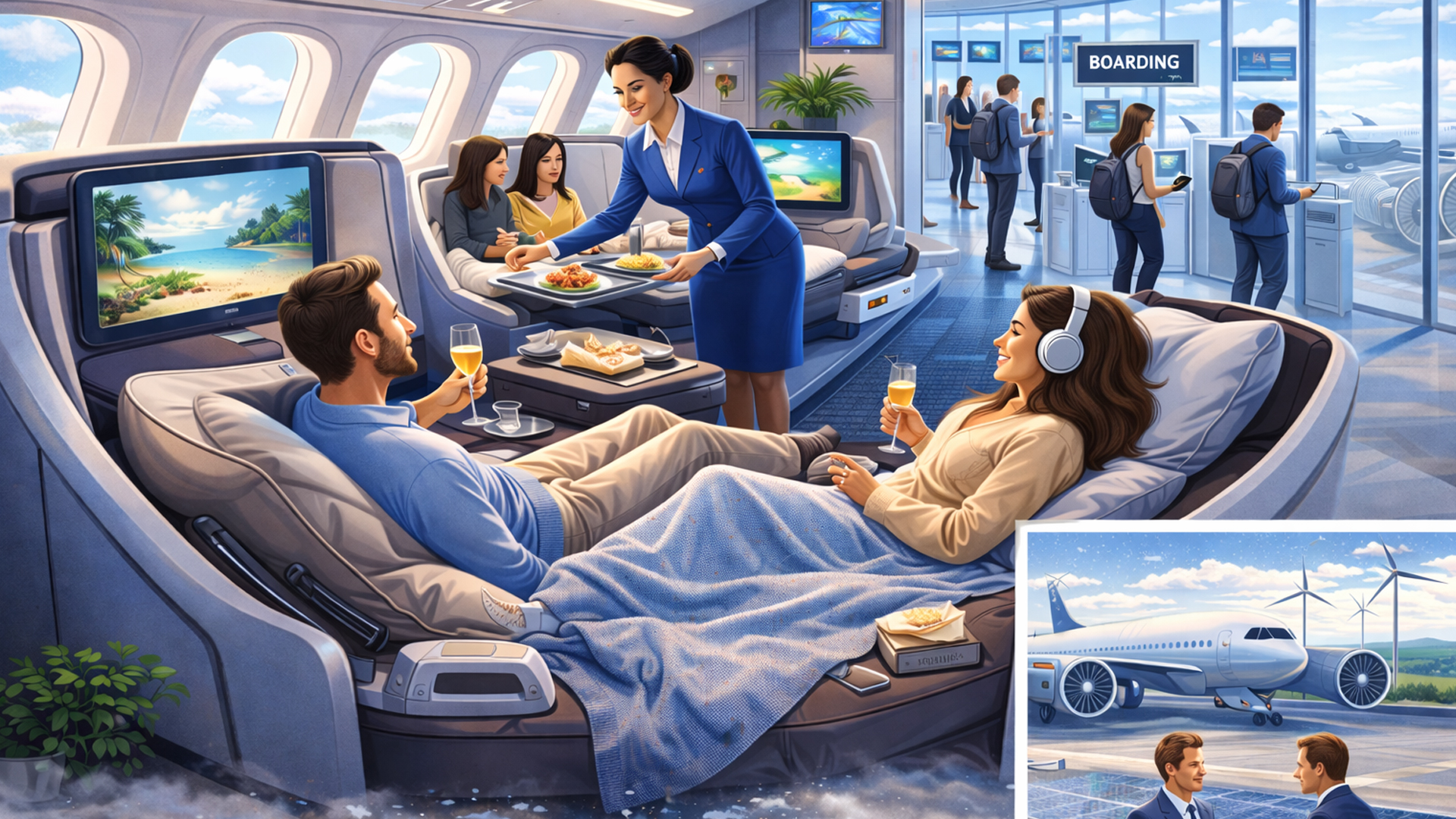
Airlines are also using cabin refits to rethink seating. At the top end, lie flat business class suites and premium economy ”
“cabins are spreading from flagship routes to more secondary destinations. The gap between the front and the back of the plane is ”
“widening, but so are the choices in the middle.
Fewer rock bottom fares, more fine print
If you are used to ultra cheap tickets, brace for a reality check. After a period when low cost carriers used deep discounts to ”
“fill planes quickly, higher fuel costs, wage inflation and tighter capacity are pushing airlines to protect their yields.
That does not mean flash sales will disappear, but it does mean last minute bargains will be harder to find on many routes. The ”
“cheapest fares will increasingly come with strings attached: no changes, more fees, strict cabin baggage rules and limited ”
“earning of loyalty points. Paying a bit more for flexibility will become less of a luxury and more of a necessity for frequent ”
“flyers.
Airports that feel more like lounges
On the ground, airports are racing to upgrade terminals after years of underinvestment. In 2026, more hubs will lean into ”
“natural light, local design and expanded security and immigration areas that are designed to keep queues flowing.
For travelers, that should translate into more charging points, quieter seating zones and a wider choice of food and retail ”
“options on the airside. Biometric boarding gates and digital identity verification, already in testing, will show up in more ”
“terminals, particularly on international routes.
New rules shaped by politics and sustainability
Not every change will be about comfort. A growing list of countries are experimenting with tighter rules on short haul flights ”
“that compete directly with trains, or adding environmental surcharges to ticket prices. Airlines, under pressure from both ”
“regulators and corporate clients, are signing more deals for sustainable aviation fuel, even though supply and costs remain ”
“challenging.
Geopolitics will keep shaping where we fly. Airspace closures and regional tensions already affect routes over parts of Eastern ”
“Europe and the Middle East. In 2026, travelers booking multi stop itineraries will need to pay close attention to connection ”
“times, visa rules and airline advisories.
What this means for travelers from Lebanon and the region
For passengers flying from Lebanon and the wider Middle East, some of these trends are already visible. Gulf carriers continue ”
“to invest in premium cabins and next generation fleets, while regional and European low cost airlines are tightening policies on ”
“baggage and changes.
The bottom line: in 2026, you may get a nicer seat, a quieter cabin and a smoother airport experience, but you will probably ”
“have to work harder to understand what is included in your ticket. Planning ahead, reading the fine print and building in a little ”
“extra time for connections will matter more than ever.
Leave a Reply