

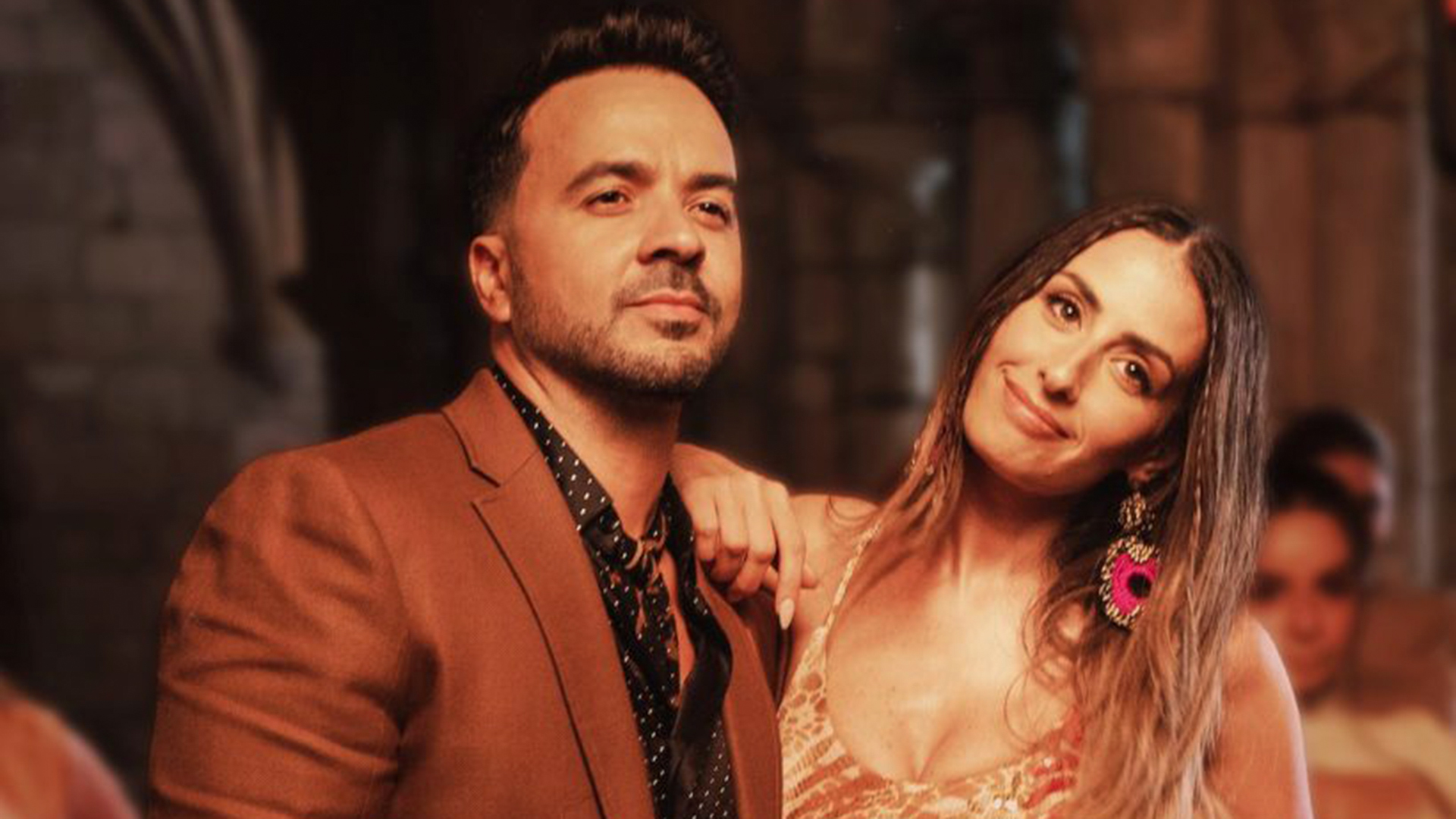
When Lebanese vocal powerhouse Hiba Tawaji teamed up with Puerto Rican superstar Luis Fonsi on “Que Sera Sera – لو نبقى سوى”, the result was more than just another duet. It was a statement about where Arabic pop belongs in the global music ecosystem.
The track, released in October 2022 under the Universal Arabic Music banner, weaves Arabic and Spanish lyrics over a bright, mid-tempo beat. Very quickly, the video racked up millions of views on YouTube, pushed by both artists’ fanbases and by curious listeners who wanted to hear what a truly bilingual Arab–Latin collaboration could sound like.
In comments to Billboard, Tawaji described the song as representing “the present and the future” of the regional industry – a project that doesn’t just feature an international guest but puts Arabic squarely in the centre of a global pop production. Rather than sprinkling a few Arabic words over an imported template, “Que Sera Sera – لو نبقى سوى” treats both languages as equal partners.
Fans clearly heard that intention. Lebanese listeners online framed the collaboration as a proud moment for a country that has been through repeated waves of crisis but still exports talent to the world. Meanwhile, Spanish-speaking fans discovered an artist with a vocal range and theatrical presence shaped by years of Arabic musical training and stage work.
The success of the track also reflects a wider 2022 pattern: several Arab artists, including Nancy Ajram with “Sah Sah” alongside Marshmello, stepped into large-scale international collaborations without abandoning their own sonic signatures. Tawaji’s duet sits comfortably in that trend, but with its full Arabic verses and bilingual title, it goes a step further in normalizing Arabic as a language of mainstream global pop.
For Lebanon, a country better known in recent headlines for financial collapse than for industry innovation, this kind of cultural visibility matters. Every global playlist that drops “Que Sera Sera – لو نبقى سوى” between Latin and English hits is another reminder that Lebanese voices are still pushing outward, even when the situation at home is harsh.
For Tawaji herself, the song joins a growing list of cross-border projects – from French musical theatre and Disney dubbing work to major regional concerts – that make her one of the most internationally visible Lebanese singers of her generation.
Leave a Reply