

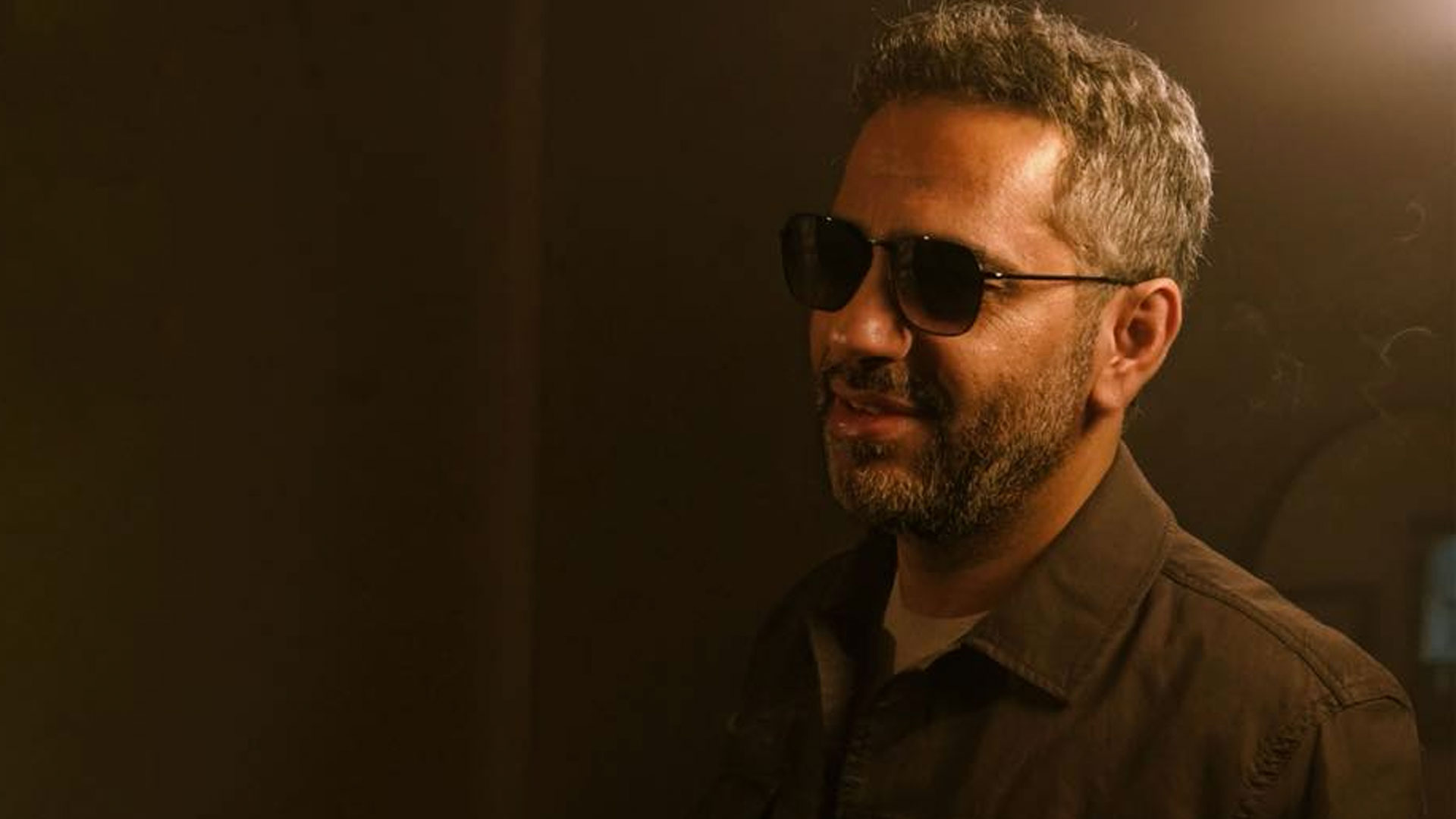
More than a decade after disappearing from the Arab pop scene, Lebanese singer Fadel Chaker is back in the news — not with a comeback single, but with a contested narrative of “innocence”. His recent decision to surrender to Lebanese Army Intelligence after years hiding in the Ain al-Hilweh refugee camp triggered a wave of emotional reactions, fuelled by a viral video shared by his son Mohammed.
In the clip, Mohammed Chaker appears relieved, speaking of his father’s acquittal and insisting he was not involved in combat against the Lebanese Army. Shared and re-shared in a 15-second version on TikTok and X, the video created the impression that courts had now cleared the singer of all charges linked to the 2013 Abra clashes. Congratulatory messages flooded social media, framing his surrender as the final chapter in a long-running injustice.
A fact-check by independent verification teams painted a different picture. Investigators traced the original video back to April 2018, when Mohammed published a longer version explaining that a specific charge — participation in armed conflict against the army — had been dropped at that time. The more recent short clip, cut out of its context and reshared after his father’s surrender, gave the illusion of a fresh, sweeping acquittal that does not exist in current court records.
Legally, Chaker still faces serious issues. In 2020, Lebanon’s Military Court sentenced him in absentia to 22 years of hard labour, even as some accusations were dropped. The army’s own statement on his surrender this year described him as a “wanted person” handing himself in at the entrance to Ain al-Hilweh “in connection with the 2013 Abra events”, with an investigation now under way. For now, the case has moved from rumour back into institutional channels.
The story underlines how quickly digital platforms can simplify complex legal realities into emotionally satisfying headlines. For fans who grew up with his romantic ballads, the idea of complete vindication has obvious appeal. For critics who associate him with a violent chapter of Lebanon’s recent history, the surrender is seen as overdue. Between those poles lies a process that will ultimately play out in courtrooms, not comment sections.
Whatever the final verdict, Chaker’s situation is now a case study in how celebrity, politics and misinformation intersect in the Lebanese media space. It is also a reminder that in an era of clipped, recycled content, understanding what really happened requires going back to the full video — and the full legal record — rather than the most shareable version.
Leave a Reply