

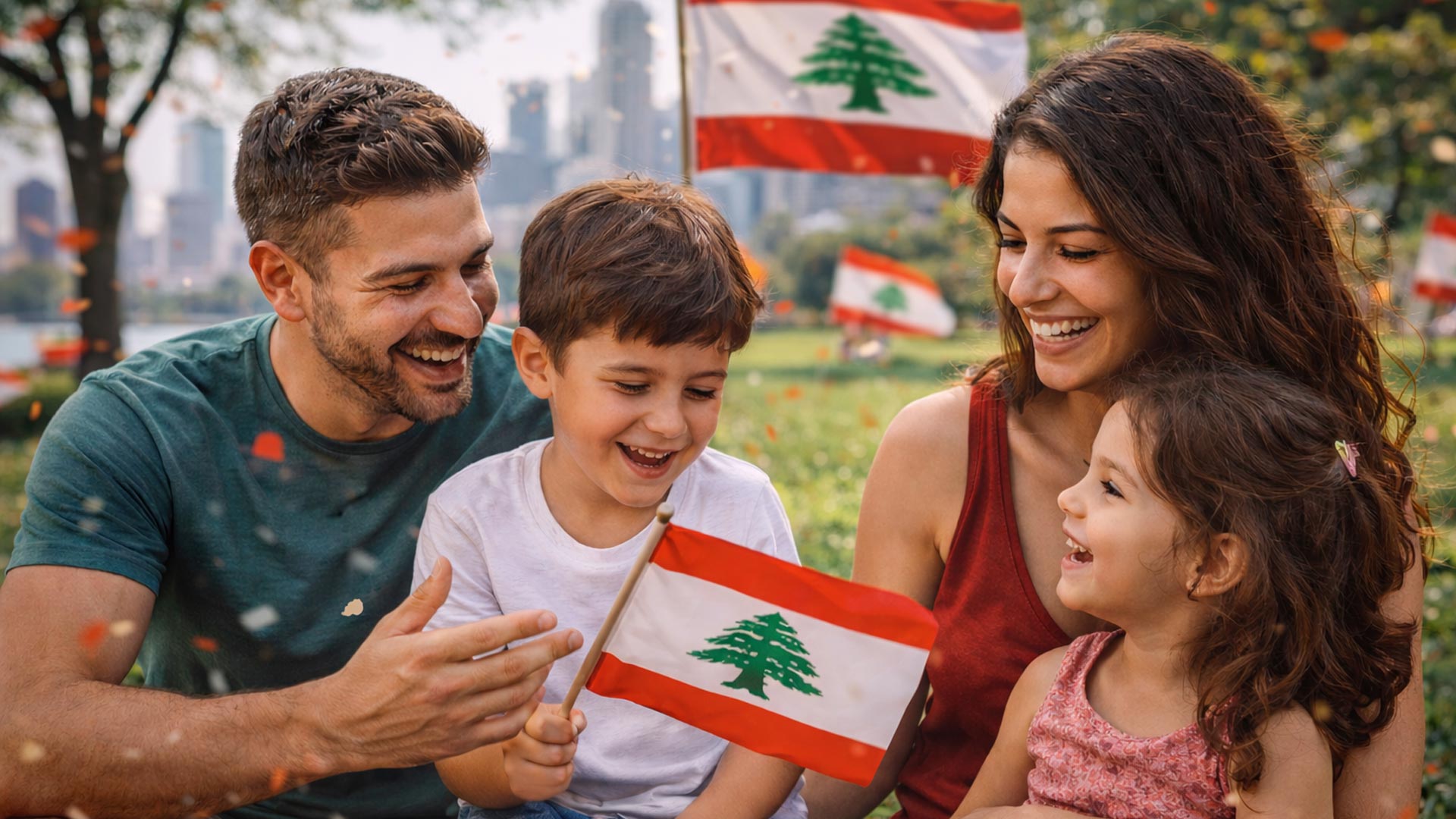
When culture is no longer in the air
In Lebanon, culture is ambient. Children absorb language, humor, and family habits through daily exposure. Abroad, that exposure weakens. What was once automatic becomes intentional.
For many Lebanese parents, this creates a quiet pressure: to pass on identity without turning it into a burden.
- Choosing Arabic at home, even when school is in another language.
- Keeping family rituals alive without extended relatives nearby.
- Explaining Lebanon honestly without romanticizing it.
The language question is the first battleground
Language is often the most fragile link. Dialect needs repetition, and children quickly prioritize the language that gives them belonging among peers.
Many parents adopt a realistic goal: functional Arabic, cultural familiarity, and emotional connection, rather than perfect fluency.
Identity without forcing nostalgia
Children raised abroad often experience Lebanon as a story and visit: summers, weddings, family photos, and phone calls. That can produce love, curiosity, confusion, or all of them at once.
Parents who succeed tend to avoid guilt-driven messaging. They give children permission to belong where they live while maintaining a meaningful connection to where the family came from.
- Teach culture as something to explore, not something to prove.
- Introduce Lebanese music, books, and films as normal, not as homework.
- Make room for children’s hybrid identities.
The hardest part: explaining complexity
Lebanon is not a simple origin story. It holds beauty and instability, warmth and exhaustion. Many parents struggle to answer a child’s questions without transferring fear or anger.
A balanced approach often helps: honesty about challenges, pride in culture, and clarity that children are not responsible for fixing a country they did not choose.
What Lebanese parents quietly build abroad
In the diaspora, family becomes a project. Parents build community through friendships, weekend gatherings, and small rituals that keep identity alive.
Raising Lebanese kids abroad may not look like preserving every detail of Lebanon. It may look like preserving values: generosity, humor, closeness, and the habit of showing up for people.
- Prioritize connection over perfection.
- Let children own their relationship with Lebanon.
- Keep culture alive through routines, not speeches.
Leave a Reply