

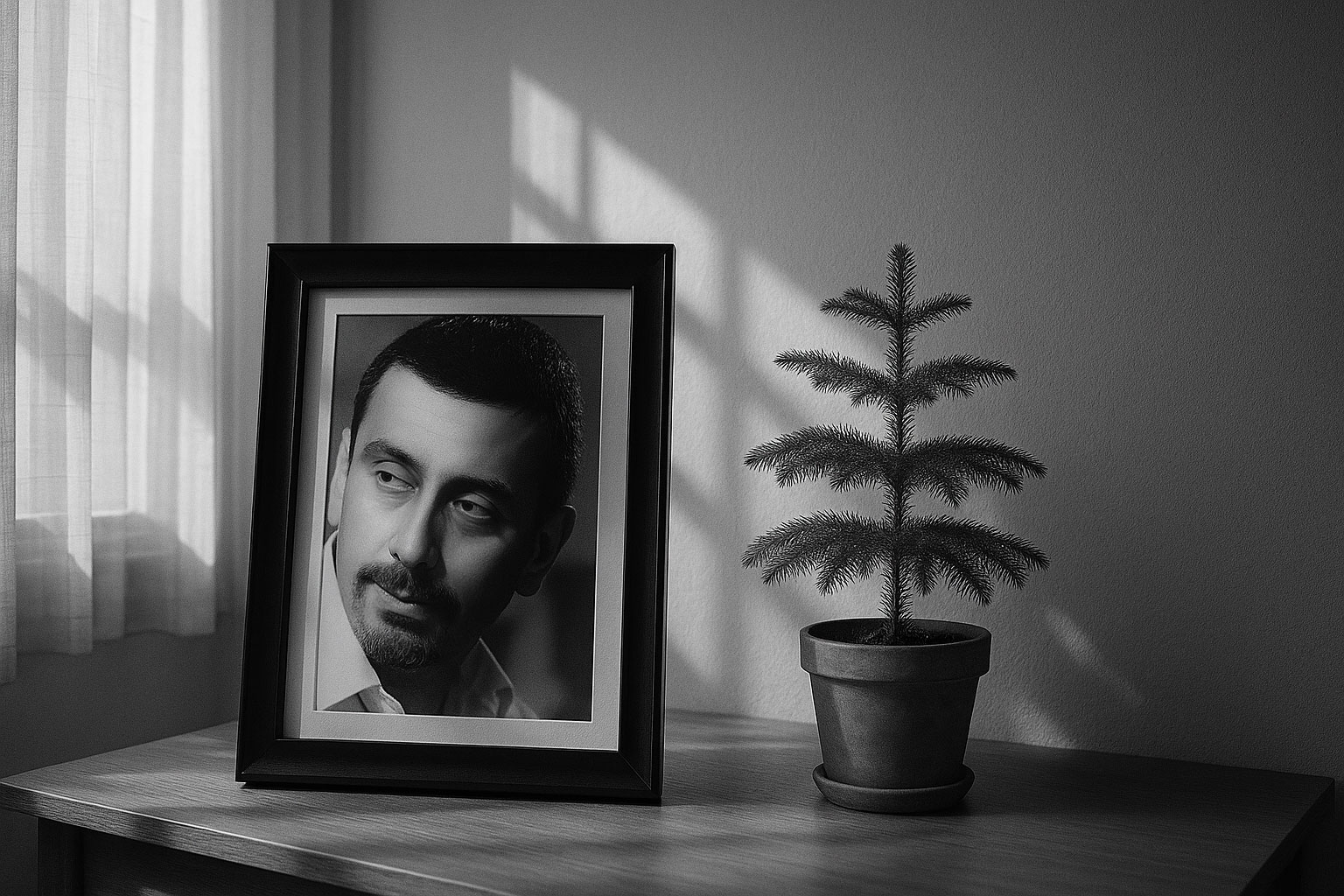
Ziad Rahbani, the Lebanese composer, playwright and pianist whose work defined the political and emotional landscape of several generations, has died in Beirut at the age of 69 after a period of illness. Hospital sources and family representatives confirmed his death on 26 July 2025, prompting an outpouring of tributes across Lebanon and the wider Arab world.
Born in 1956 to singer Fairuz and composer Assi Rahbani, Ziad grew up backstage as Lebanon’s most famous musical dynasty built its legend. He quickly carved his own path, writing music for his mother — including the classic “Sa’alouni El Nass” — and then launching a series of plays that shifted Arabic theatre away from romantic folklore and toward urban satire. Works like Nazl el-Sourour, Bennesbeh Labokra Chou? and Film Ameriki Tawil dissected class, sectarianism and war with a mix of humour and despair that audiences had never seen before.
During the civil war, Rahbani famously left Christian East Beirut for West Beirut, aligned himself with leftist movements and joined the Lebanese Communist Party. His songs and plays became a kind of parallel news bulletin for those who felt unrepresented by official discourse. Albums like Abu Ali and Houdou Nisbi fused jazz, funk and Brazilian influences with Arabic modes, while lyrics wrestled with faith, hypocrisy and the absurdity of daily life in a broken state.
In the postwar years, he remained a sharp commentator on class and corruption through radio, television and concerts, even as some of his political positions — including a perceived closeness to the Syrian regime and other regional actors — made him more polarising. Yet his lines and melodies continued to circulate in taxis, cafés and protests, quoted by both admirers and critics as shorthand for Lebanon’s frustrations.
Following his death, the state he had so often mocked moved quickly to recognise him: he received the National Order of the Cedar, and the Cabinet voted to rename a major avenue leading to Beirut’s airport after him. For many fans, the official honours are less important than the afterlife his work is already enjoying — in cover versions, student productions of his plays and the chants of younger protesters who were not yet born when his most famous lines were written.
Ziad Rahbani is gone, but the argument he staged with Lebanon — funny, furious, tender and unforgiving — continues every time someone reaches for his music to describe the present.
Leave a Reply